What is PMS?
PMS (Peripheral Magnetic Stimulation) is a medical technology that uses high-intensity magnetic fields to stimulate peripheral nerves and muscles without direct skin contact. It can generate a magnetic field of up to 7 Tesla and penetrate as deep as 10 centimeters into the body. This enables stimulation of deep tissues such as muscles, nerves, and joints. PMS is considered a safe, and effective innovation for treating neuromuscular conditions.
How PMS Works
PMS generates pulsed magnetic fields that induce electrical currents within body tissues. These currents stimulate peripheral nerves, motor nerves, and sensory nerves, leading to alternating muscle contraction and relaxation. This mechanism promotes blood circulation, reduces inflammation, and supports tissue repair.
Conditions Treated with PMS
- Back Pain
Relieves muscle tightness and spasms, improves neuromuscular balance. - Neck, Shoulder Pain, and Office Syndrome
Relaxes tight muscles and reduces nerve compression pain, especially in individuals with prolonged sitting habits. - Knee Pain
Strengthens muscles around the knee joint, reduces pain, and enhances joint stability. - Muscle Weakness
Suitable for individuals with neuromuscular disorders or long-term immobility. - Nerve Inflammation and Numbness
Reduces nerve compression, decreases inflammation, and promotes nerve recovery. - Herniated Disc with Nerve Compression
Alleviates nerve inflammation, improves local circulation, and reduces pain. - Paralysis
Stimulates muscle activity in partially paralyzed patients or those in rehabilitation. - Sports Injury Recovery
Enhances circulation to injured muscles, accelerates tissue repair, and reduces pain and stiffness. - Urinary Incontinence and Pelvic Floor Weakness
Strengthens pelvic floor muscles, improves urinary sphincter control, and regulates nerves involved in excretion. Ideal for stress incontinence or age-related muscle deterioration without surgery or medication.
Bellâs Palsy (Facial Muscle Paralysis)
Stimulates facial muscle function and reduces facial numbness.
āļāļļāļāđāļāļŠāļāļđāđāļĨāļāļĒāđāļēāļāđāļāļĨāđāļāļīāļāđāļāļĒāļāļąāļāļāļēāļĒāļ āļēāļāļāļģāļāļąāļāļĄāļ·āļāļāļēāļāļĩāļ
āļĄāļąāđāļāđāļāđāļāđāļ§āđāļēāļāļļāļāļāļ°āđāļāđāļĢāļąāļāđāļāļĢāđāļāļĢāļĄāļāļēāļĢāļĢāļąāļāļĐāļēāļāļĩāđāļāļāļāđāļāļāļĄāļēāđāļāļāļēāļ°āļŠāļģāļŦāļĢāļąāļāļāļļāļ
Pain and Weakness Treatment with PMS
- Chronic Pain (e.g., muscular or tendon-related): Improves gradually as muscles and nerves recover.
- Acute Pain: Quickly reduces localized swelling and inflammation.
Muscle Weakness Recovery: Enhances muscle function and prevents long-term atrophy.
Benefits of PMS
- Painless during treatment
- Suitable for patients with implanted metal devices
- Reduces inflammation, swelling, and muscle stiffness
- Promotes formation of new capillaries and increases blood circulation
- Safe with minimal side effects
Short-term and Long-term Results
- InShort-term:
Alleviates pain and muscle tension, enhances joint mobility, and supports effective muscle control during rehabilitation.
- Long-term:
Balances the neuromuscular system, improves pain in long-term, increases muscle strength, reduces recurrence risk, and restores daily function.
How Soon Are Results Seen? How Often Should PMS Be Used?
- Acute conditions (e.g., inflammation or minor injuries): Visible results within 1â3 sessions.
- Chronic conditions (e.g., neck or back pain, office syndrome): Typically 6â10 sessions, 2â3 times per week, for noticeable improvement.
- Muscle weakness or paralysis: Continuous treatment for 2â3 months is recommended, especially during the first 4â6 weeks for optimal recovery.
āđāļāļĢāđāļāļĢāļĄāļāļāļāđāļĢāļēāļāļ·āļāļāļ°āđāļĢ
1
3D Posture Analysis
āļāļĢāļ§āļāļĢāđāļēāļāļāļēāļĒāđāļāļāļāļāļāđāļĢāļ§āļĄāļāđāļ§āļĒāđāļāļāđāļāđāļĨāļĒāļĩ AI āļāļąāļāļāļĢāļīāļĒāļ° āļŠāļēāļĄāļēāļĢāļāļāļĢāļ§āļāļāļąāļāļāđāļāļāļģāļāļąāļāđāļāļāļēāļĢāđāļāļĨāļ·āđāļāļāđāļŦāļ§āļāļ§āļēāļĄāđāļĄāđāļŠāļĄāļāļļāļĨāļāļĨāđāļēāļĄāđāļāļ·āđāļ āđāļāļ·āđāļāļāđāļāļŦāļēāļŠāļēāđāļŦāļāļļāļāđāļāļāļāļāļąāļāļŦāļēāļāļĩāđāđāļāđāļāļĢāļīāļāļāļēāļāļēāļĢāļāļ§āļāļāļāļāļāļīāļĻāļāļīāļāđāļāļĢāļĄāļāļĩāđāļŠāļēāļĒāļāļēāđāļāļĨāđāļēāļāļēāļāļĄāļāļāđāļĄāđāđāļŦāđāļ
āļāļķāđāļāļ§āļīāđāļāļĢāļēāļ°āļŦāđāđāļāļāļŠāļēāļĄāļĄāļīāļāļīāļāļĩāđāļāđāļ§āļĒāđāļŦāđāļ§āļēāļāđāļāļāļāļēāļĢāļĢāļąāļāļĐāļēāđāļāđāļāļĒāđāļēāļāđāļĄāđāļāļĒāļģ āļāļĢāļāļāļļāļ āđāļĨāļ°āđāļŦāļĄāļēāļ°āļŠāļĄāļāļąāļāļĢāđāļēāļāļāļēāļĒāļāļāļāđāļāđāļĨāļ°āļāļļāļāļāļĨ
2
āđāļāļĢāđāļāļĢāļĄāļāļēāļĒāļ āļēāļāļāļģāļāļąāļ
āđāļāļĢāđāļāļĢāļĄāļāļēāļĢāļ āļēāļāļāļģāļāļąāļāļāļĢāļāļ§āļāļāļĢāļāļāļāđāļĢāļē āļāļāļāđāļāļāļĄāļēāđāļāļ·āđāļāđāļāđāļāļąāļāļŦāļēāļāļāļāļāļīāļĻāļāļīāļāđāļāļĢāļĄāđāļāļĒāļāļĢāļ āļāđāļ§āļĒāļĨāļāļāļēāļāļēāļĢāļāļ§āļāļāļ, āļāđāļē, āđāļŦāļĨāđ, āļŦāļĨāļąāļ āđāļĨāļ°āļāļĨāđāļēāļĄāđāļāļ·āđāļāļāđāļāļāđāļĢāļ āļāđāļ§āļĒāđāļāļāđāļāđāļĨāļĒāļĩāļāļĩāđāļāļąāļāļŠāļĄāļąāļĒ
PMS āļāļĢāļ°āļāļļāđāļāđāļĨāļ°āļāļ·āđāļāļāļđāļāļēāļĢāļāļģāļāļēāļāļāļāļāđāļŠāđāļāļāļĢāļ°āļŠāļēāļ āđāļāļīāđāļĄāļāļēāļĢāđāļŦāļĨāđāļ§āļĩāļĒāļāđāļĨāļ·āļāļ āđāļĨāļ°āļĨāļāļāļēāļāļēāļĢāļāļ§āļāļāļēāļāđāļŠāđāļāļāļĢāļ°āļŠāļēāļāļāļĩāđāļāļđāļāļāļāļāļąāļāļāļēāļāļāļĪāļāļīāļāļĢāļĢāļĄāļāļēāļĢāļāļąāđāļāļāļģāļāļēāļāļāļēāļāđ
Shockwave āļāļĢāļ°āļāļļāđāļāļāļēāļĢāļŠāļĢāđāļēāļāļŦāļĨāļāļāđāļĨāļ·āļāļāđāļŦāļĄāđ āļāđāļāļĄāđāļāļĄāđāļāļ·āđāļāđāļĒāļ·āđāļ āļĨāļāļāļąāļāļāļ·āļāđāļĨāļ°āļāļ§āļēāļĄāļāļķāļāļāļāļāļāļĨāđāļēāļĄāđāļāļ·āđāļāļāļēāļāļāđāļēāļāļēāļāļāđāļģ āđ
RF āļāļĨāļēāļĒāļāļĨāđāļēāļĄāđāļāļ·āđāļ āļĨāļāļāļēāļāļēāļĢāļāļ§āļāđāļĢāļ·āđāļāļĢāļąāļ āđāļĨāļ°āđāļāļīāđāļĄāļāļēāļĢāđāļŦāļĨāđāļ§āļĩāļĒāļāđāļĨāļ·āļāļ
3
āļāļīāļĨāļēāļāļīāļŠāļĢāļąāļāļĐāļēāļāļģāļāļąāļ
āļāļŠāļēāļāļĻāļēāļŠāļāļĢāđāļāļāļāļāļēāļĢāļāļāļāļāļģāļĨāļąāļāļāļēāļĒāļāļīāļĨāļēāļāļīāļŠāđāļāđāļēāļāļąāļāđāļāļāļāļīāļāļāļēāļĒāļ āļēāļāļāļģāļāļąāļ āļāļĩāđāļāļāļāđāļāļāļāļēāļĢāļĢāļąāļāļĐāļēāđāļāđāļāļąāļāļŦāļēāļāļāļāļāļīāļĻāļāļīāļāđāļāļĢāļĄāđāļāļĒāđāļāļāļēāļ°
āđāļāļ·āđāļāđāļāđāļāļąāļāļŦāļēāļāļĩāđāđāļāļīāļāļāļēāļāļāļĨāđāļēāļĄāđāļāļ·āđāļāđāļĄāđāļŠāļĄāļāļļāļĨāļāļēāļāļāļēāļĢāđāļāđāļāļĩāļ§āļīāļāļāļĢāļ°āļāļģāļ§āļąāļāļāļĩāđāđāļĄāđāđāļŦāļĄāļēāļ°āļŠāļĄāđāļāđāļāđāļ§āļĨāļēāļāļēāļ āđāļāļĒāļāļ°āļāđāļ§āļĒāđāļŦāđāļĢāđāļēāļāļāļēāļĒāđāļĢāļĩāļĒāļāļĢāļđāđāļāļēāļĢāļāļģāļāļēāļāļāļāļāļāļĨāđāļēāļĄāđāļāļ·āđāļāđāļŦāļĄāđ āļāļĢāļ°āļāļļāđāļāļĢāļ°āļāļāļāļĢāļ°āļŠāļēāļāđāļĨāļ°āļāļĨāđāļēāļĄāđāļāļ·āđāļāđāļŦāđāļāļģāļāļēāļāļŠāļĄāļāļļāļĨāļāļķāđāļ āļĨāļāļāļēāļāļēāļĢāļāļ§āļ āļāļ·āđāļāļāļđāļāļēāļĢāđāļāļĨāļ·āđāļāļāđāļŦāļ§āđāļāđāļāļĒāđāļēāļāļĒāļąāđāļāļĒāļ·āļ āđāļĨāļ°āļāđāļāļāļāļąāļāđāļĄāđāđāļŦāđāļāļĨāļąāļāļĄāļēāđāļāđāļāļāđāļģ
āļāļĢāļīāļāļēāļĢāļāļāļāđāļĢāļē āđāļĨāļ āļāļīāļāļīāđāļ āļāļĨāļīāļāļīāļ
â āļāļĢāļ§āļāļāļĢāļ°āđāļĄāļīāļāļĢāđāļēāļāļāļēāļĒ āđāļāļāļāļāļāđāļĢāļ§āļĄāļāđāļ§āļĒāđāļāļāđāļāđāļĨāļĒāļĩ 3D Posture Analysis āļāđāļ§āļĒāļĢāļ°āļāļ AI Generate
â āļāļīāļĨāļēāļāļīāļŠāļĢāļąāļāļĐāļēāļāļģāļāļąāļ āđāļāļāļāļąāļ§āļāđāļāļāļąāļ§ āļāļ·āđāļāļāļđāļāļēāļĢāđāļāļĨāļ·āđāļāļāđāļŦāļ§ āđāļŠāļĢāļīāļĄāļŠāļĢāđāļēāļāļāļ§āļēāļĄāđāļāđāļāđāļĢāļ āđāļĨāļ°āļāļĢāļąāļāļŠāļĄāļāļļāļĨāļĢāđāļēāļāļāļēāļĒ
â āļāļĢāļ°āļāļļāđāļāļāļĨāļ·āđāļāđāļĄāđāđāļŦāļĨāđāļāđāļāļāđāļē (PMS) āļĨāļāļāļēāļāļēāļĢāļāļķāļāļāļāļāļāļĨāđāļēāļĄāđāļāļ·āđāļāđāļĨāļ°āļāļēāļāļēāļĢāļāļēāļāļēāļāđāļŠāđāļāļāļĢāļ°āļŠāļēāļ
â āļĢāļąāļāļĐāļēāļāđāļ§āļĒāļāļĨāļ·āđāļāļāļĢāļ°āđāļāļ (Radial ShockWave) āļĨāļāļĨāļķāļ āļāļķāļāļāļļāļāđāļāđāļ āļāļĢāļ°āļāļļāđāļāđāļŦāđāđāļāļīāļāļāļēāļĢāļāđāļāļĄāđāļāļĄāļāļĨāđāļēāļĄāđāļāļ·āđāļ
â āļāļģāļāļąāļāļāđāļ§āļĒāļāļĨāļ·āđāļāļ§āļīāļāļĒāļļāļāļ§āļēāļĄāļāļĩāđāļŠāļđāļ (RF) āļāļ·āđāļāļāļđāđāļāļĢāļ°āļāļąāļāđāļāļĨāļĨāđ āļĨāļāļāļēāļĢāļāļąāļāđāļŠāļ
â āđāļāļĢāļ·āđāļāļāļāļąāļĨāļāļĢāļēāļāļēāļ§āļāđ āļĨāļāļāļēāļāļēāļĢāļāļ§āļāđāļĨāļ°āļāļēāļĢāļāļąāļāđāļŠāļ āļāļĢāđāļāļĄāđāļāļĢāļ·āđāļāļāļāļĢāļ°āļāļļāđāļāđāļāļāđāļēāļāļĢāļ°āļāļļāđāļāļāļēāļĢāļāđāļāļĄāđāļāļĄ
â āđāļĨāđāļāļāļĢāđāļāļģāļĨāļąāļāļŠāļđāļ āļāļĢāļĢāđāļāļēāļāļēāļāļēāļĢāļāļ§āļāđāļĢāļ·āđāļāļĢāļąāļ
â Traction Bed (āđāļāļĩāļĒāļāļāļķāļāļāļĢāļ°āļāļđāļāļŠāļąāļāļŦāļĨāļąāļ)
â āļŦāļąāļāļāļāļēāļĢāļāļģāļāļąāļāđāļāļāļāļīāļāđāļāļāļēāļ°āļāļĨāļīāļāļīāļ āļāļĨāļēāļĒāļāļąāļāļāļ·āļ āļāļīāļāļāđāļāđāļāļĒāļāļĩāļĄāļāļąāļāļāļēāļĒāļ āļēāļāļāļģāļāļąāļāļāļđāđāđāļāļĩāđāļĒāļ§āļāļēāļ
āđāļāļĢāđāļĄāļāļąāđāļāļāļīāđāļĻāļĐ āļāļĢāļāļāļāđāļāļĢāļēāļāļēāđāļāļĩāļĒāļ§ 999.-
āļāļąāđāļāļāļĩāđāđāļāļĢāđāļāļĢāļĄāļāļēāļĢāļĢāļąāļāļĐāļē āļāļąāļāļāļēāļĒāļ āļēāļāļāļģāļāļąāļāļāļ°āļāļīāļāļēāļĢāļāļēāđāļĨāļ°āļāļāļāđāļāļāļāļēāļĢāļĐāļēāđāļāļāđāļāļāļēāļ°āļāļļāļāļāļĨāļāļĩāļāļāļĢāļąāđāļ
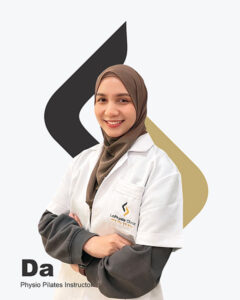
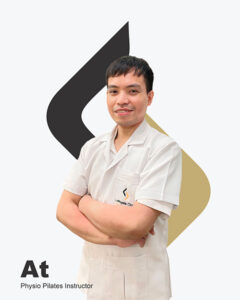
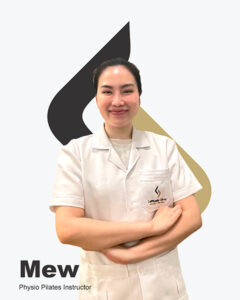
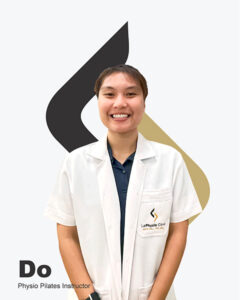
Meet Our Physiotherapists
āļāļļāļāļāļąāļāļŦāļē āļāļĢāđāļāļĄāđāļŦāđāļāļģāļāļĢāļķāļāļĐāļēāļāļĢāļĩāđāļĄāđāļĄāļĩāļāđāļēāđāļāđāļāđāļēāļĒ
āļāļļāļāļāļēāļāļēāļĢāļāļ§āļāļĄāļĩāļāļēāļāļāļāļāđāļĨāļ°āļāļļāļāļāļ§āļēāļĄāļāļąāļāļ§āļĨāļŠāļēāļĄāļēāļĢāļāļāļĨāļĩāđāļāļĨāļēāļĒāđāļāđāđāļāđāđāļĢāļīāđāļĄāļāđāļāļāļĒāđāļēāļāļāļđāļāļ§āļīāļāļĩ āđāļāđāļēāļĢāļąāļāļāļģāļāļĢāļķāļāļĐāļēāļāļąāļāļāļąāļāļāļēāļĒāļ āļēāļāļāļāļāđāļĢāļēāđāļĨāļ°āļĢāļąāļāļāļēāļĢāļāļĢāļ°āđāļĄāļīāļāļāļĒāđāļēāļāļĨāļ°āđāļāļĩāļĒāļāđāļāļ·āđāļāļĢāļąāļāļāļģāđāļāļ°āļāļģāđāļāļĢāđāļāļĢāļĄāļāļēāļĢāļĢāļąāļāļĐāļēāļāļĩāđāļāļāļāđāļāļāđāļāļāļēāļ°āļŠāļģāļŦāļĢāļąāļāļāļļāļ

āļāļīāļāļāđāļāļŠāļāļāļāļēāļĄ āđāļĨāļ°āđāļāļāļāļĩāđ
āļāļēāļāļēāļĢāļĄāļāļĩāļĒāļē āđāļāđāļāđāļāļāļĢāđ āļāļąāđāļ 2 (āļāļīāļāļāļĩāļāļĩāđāļāļŠ āļāļīāļāļĨāļĄ)

āļāļēāļāļēāļĢāļāļīāļāđāļāļāļĢāđāđāļāļāļāđ 21 āļāļąāđāļ B2 (āļāļīāļāļāļĩāļāļĩāđāļāļŠ āļāđāļĻāļ)