ENG | ไทย
Scoliosis Physiotherapy Bangkok — Non-Surgical Treatment with Physio-Pilates
At Le Physio Clinic, we provide specialized Scoliosis treatment through Physio-Pilates, a highly effective, non-surgical approach to managing spinal curvature. Our programs are led by a team of expert instructors specifically trained in scoliosis rehabilitation, utilizing the following core principles:
-
Spinal Elongation: Focuses on stretching and lengthening the spine toward the body’s midline to reduce curvature and improve alignment.
-
Core Strengthening: Builds deep stabilizing muscles to support the spine, helping it maintain a more corrected and stable position.
-
Body Awareness: Trains patients to recognize and correct daily habits—such as sitting, standing, and carrying bags—to prevent further curve progression.
-
Posture Training: Refines the mechanics of sitting, standing, and walking to ensure balanced muscle usage and long-term treatment success.
Why is the spine so important?
The spine is more than just a structural backbone of the body—it acts as a vital “pillar” that protects the spinal cord and nerves. It connects to the skull, shoulder blades, ribs, and pelvis, allowing the body to move in a balanced and coordinated way. When spinal alignment is disrupted, as in the case of scoliosis, it can significantly impact mobility and overall quality of life.
What is scoliosis, and who is at risk?
Scoliosis is a condition where the spine curves abnormally to the side, often involving spinal rotation and bending. This imbalance may lead to uneven shoulders or hips, a hunched back, or chronic back pain. It can affect people of all ages and genders, especially in today’s world where posture-related habits are changing—such as sitting cross-legged, standing with weight on one leg, carrying bags on one side, or putting excessive strain on the back. These habits can all increase the risk or severity of scoliosis.
What causes scoliosis?
1. Scoliosis with known causes:
• Congenital scoliosis: Present at birth due to abnormal spinal development in the womb.
• Neuromuscular scoliosis: Associated with neurological or muscular disorders, such as muscle overgrowth or spinal muscle atrophy.
• Degenerative scoliosis: Common in the elderly due to age-related degeneration of the spine.
2. Idiopathic scoliosis:
The most common type, Idiopathic scoliosis most commonly appears during adolescence, though it can begin in early childhood or even infancy. The exact cause remains unclear, but studies suggest that genetics may be a contributing factor, along with other influences that are still being explored.
Le Physio Clinic’s Non-Surgical Approach to Scoliosis
At Le Physio Clinic, we specialize in non-surgical scoliosis treatment using Physiopilates, a therapeutic form of Pilates designed for rehabilitation. Our method focuses on targeted exercise - based therapy to help restore balance and reduce spinal curvature:
• Physiopilates: Private rehabilitation pilates sessions that focus on body restoration and rebalancing.
• Spinal Elongation: Exercises designed to lengthen and realign the spine along the body’s central axis, helping to reduce spinal curvature and imbalance.
• Core Strengthening: Strengthening the core muscles to provide stability and support for the spine, enabling it to stay in the correct position.
• Body Awareness: Training clients to become more aware of their body mechanics and adjust daily habits—such as sitting, standing, and carrying objects—to minimize the risk of further spinal curvature.
• Posture Training: Correcting posture during sitting, standing, and walking to promote balanced muscle use and ensure long-term treatment effectiveness.
All of these methods aim for long-term results, pain reduction, and prevention of future spinal degeneration.
Why does scoliosis need to be treated as soon as possible?
Treating scoliosis is essential to prevent the condition from progressing and causing long-termcomplications. If left untreated, scoliosis—especially in moderate to severe cases—can lead to worsening spinal curvature, which may result in chronic back pain, muscular imbalance, reduced mobility, and visible deformity. In severe cases, it can impair lung and heart function due to the distortion of the ribcage. Untreated scoliosis in adolescents can significantly impact posture, self- esteem, and quality of life as they grow. Early diagnosis and appropriate intervention, whether through observation or rehabilitation Pilates as an exercise-based therapy, can help maintain spinal alignment, prevent complications, and support overall physical and psychological well- being.
According to a report published in the Asian Spine Journal (2016), untreated scoliosis can lead to both structural complications and dysfunction of internal organs, such as the respiratory and cardiovascular systems.
(Asian Spine Journal, 2016)
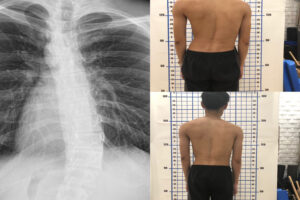
Advanced 3D Posture Analysis
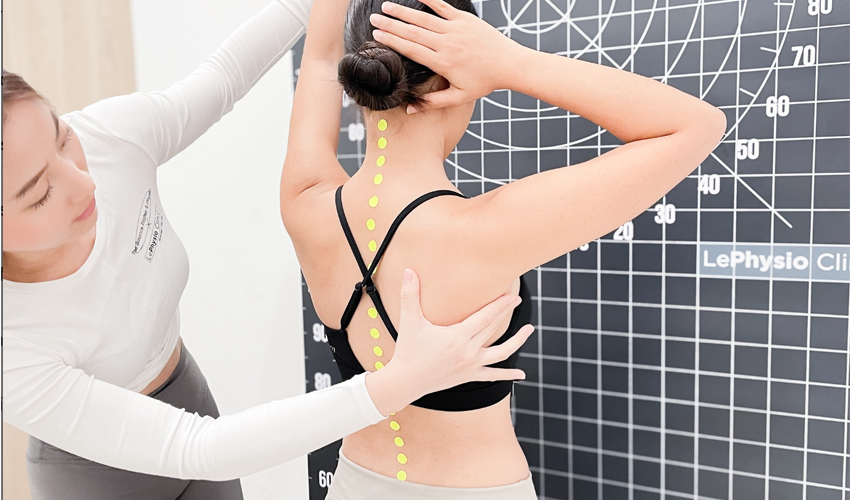
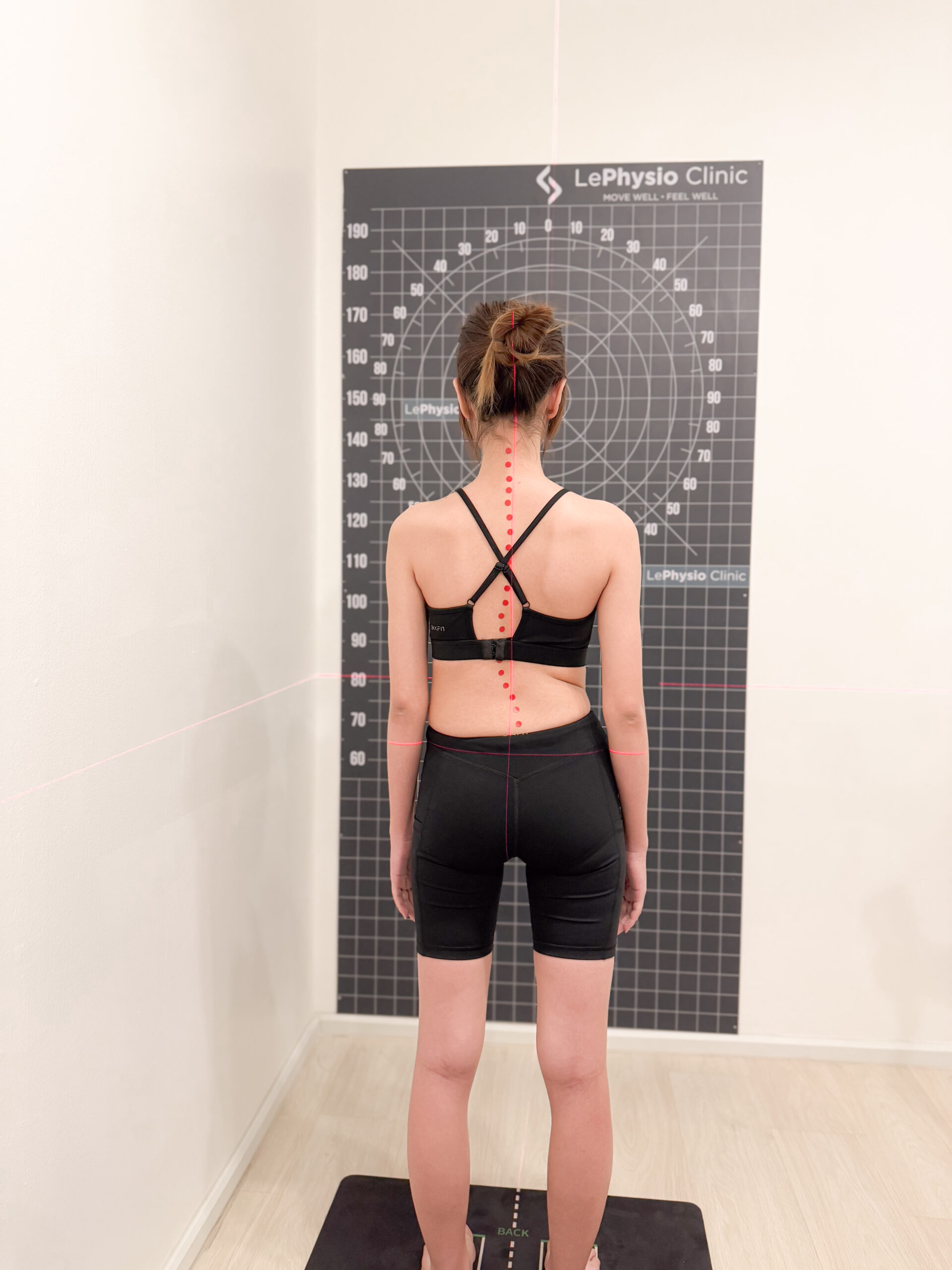
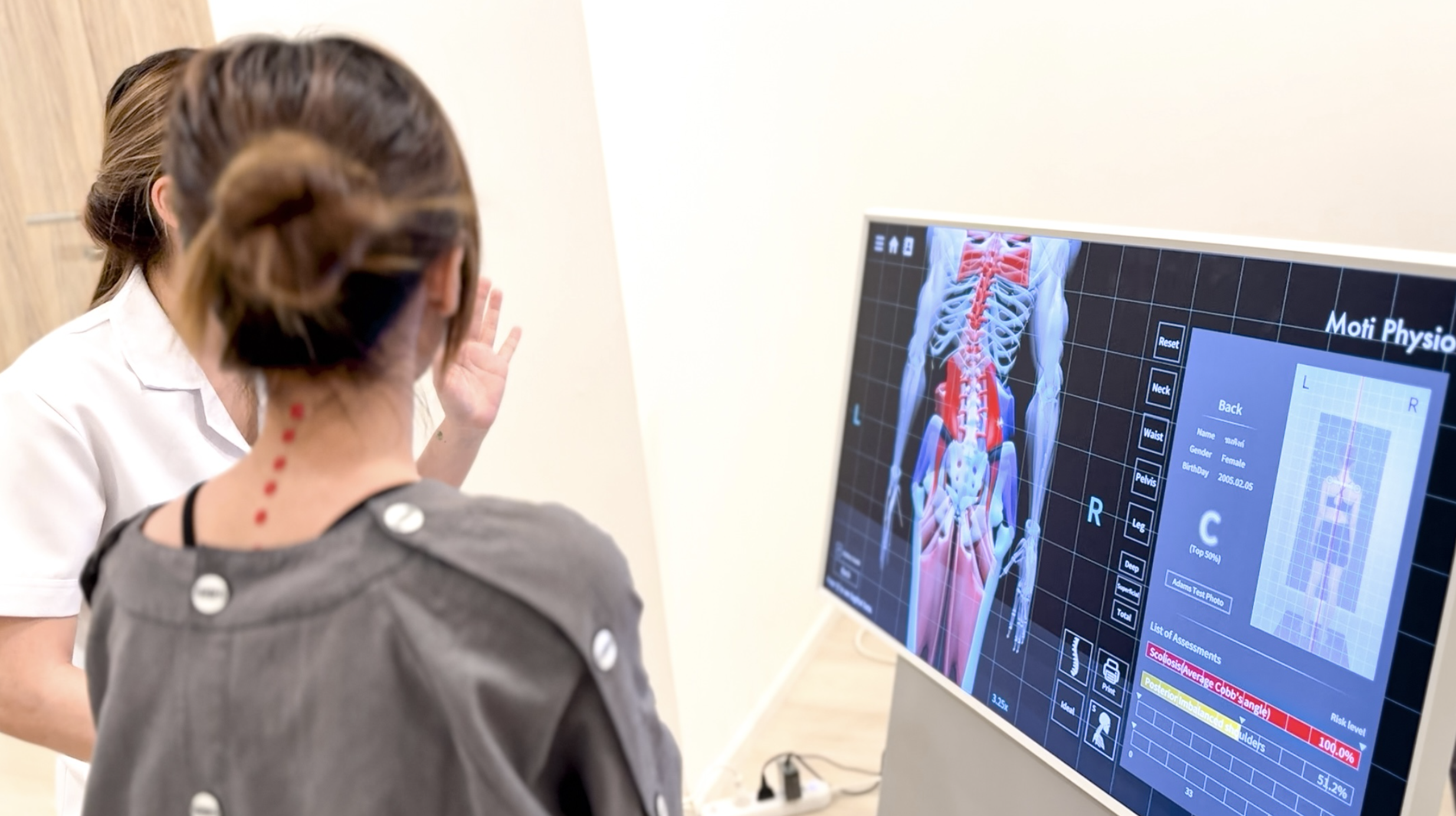
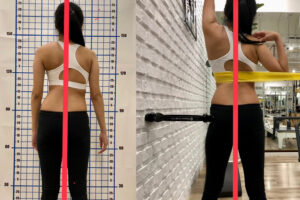
To ensure optimal treatment outcomes, Le Physio Clinic utilizes 3D Posture Analysis
Technology combined with AI Assistant Markers—a cutting-edge system that provides posture
assessments with up to 90% accuracy compared to X-rays, without the need for radiation or
physical contact.
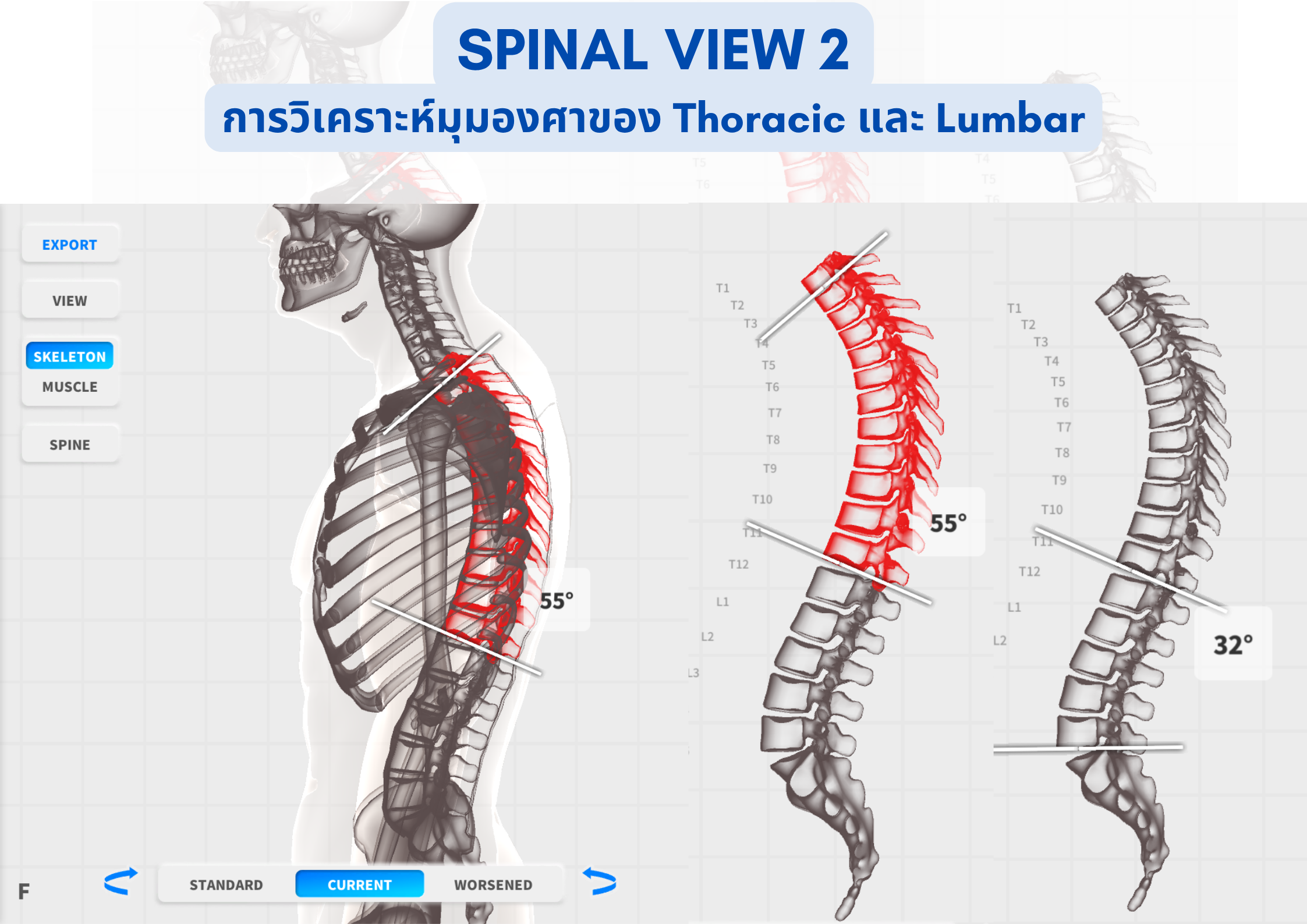
With 3D Posture Analysis, we can measure:
This technology helps guide individualized treatment plans that are both effective and safe.
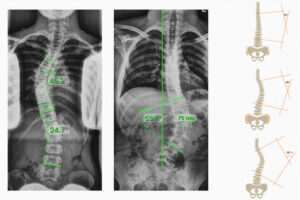
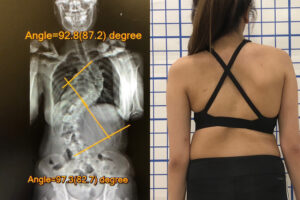
• Cobb’s Angle – the degree of spinal curvature
Myofascial Release Technique | Specialized Care at Le Physio Clinic
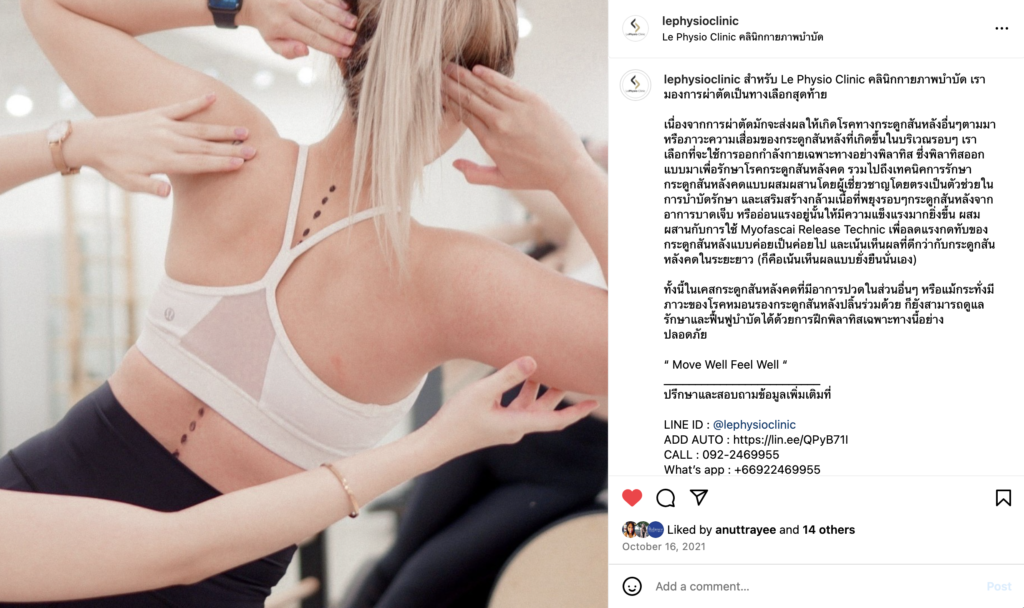
Our specialized Myofascial Release is an integrated therapy performed by expert clinicians to accelerate recovery and strengthen the supporting muscles surrounding the spine. By releasing tension in the muscles and surrounding connective tissues (fascia), this technique addresses the root cause of pain rather than just the symptoms.
At Le Physio Clinic, our non-surgical approach is designed for long-term results: significantly reducing pain, restoring mobility, and preventing recurring degeneration in the future.
What is Scoliosis and Who is at Risk?
Scoliosis is a condition where the spine develops an abnormal sideways curve, often involving rotation and twisting. This misalignment leads to physical imbalances, such as uneven shoulders or hips, a prominent rib cage (hump), or chronic back pain.
While it can affect anyone at any age, modern lifestyle habits can significantly exacerbate the condition. Frequent behaviors—such as crossing your legs, standing on one leg (shifting weight), carrying bags on only one shoulder, or repetitive heavy lifting—are factors that increase the risk of worsening spinal curvature.
What Causes Scoliosis?
The causes of scoliosis generally fall into two main categories:
1. Known Causes
-
Congenital Scoliosis: A spinal deformity present from birth, occurring during fetal development.
-
Neuromuscular Scoliosis: Caused by nerve or muscle disorders, such as muscular dystrophy or spinal muscular atrophy.
-
Degenerative Scoliosis: Primarily found in older adults due to the natural wear and tear (degeneration) of the spinal discs and joints.
2. Idiopathic Scoliosis (Unknown Cause)
This is the most common type. While it most frequently appears during the adolescent growth spurt, it can emerge in childhood or infancy. The exact cause remains unknown, though research suggests genetics may play a role alongside other factors currently under study.
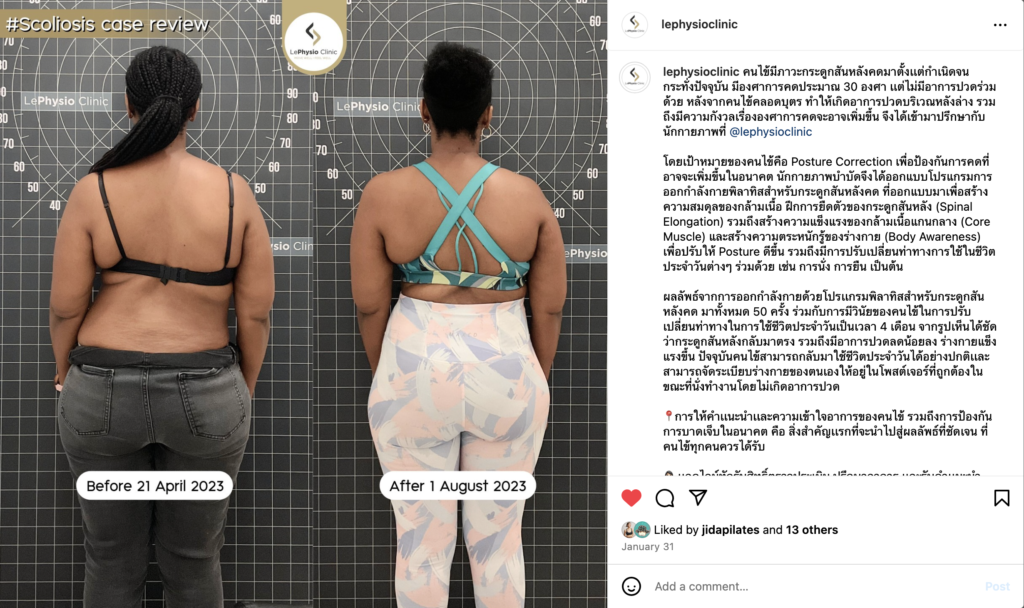
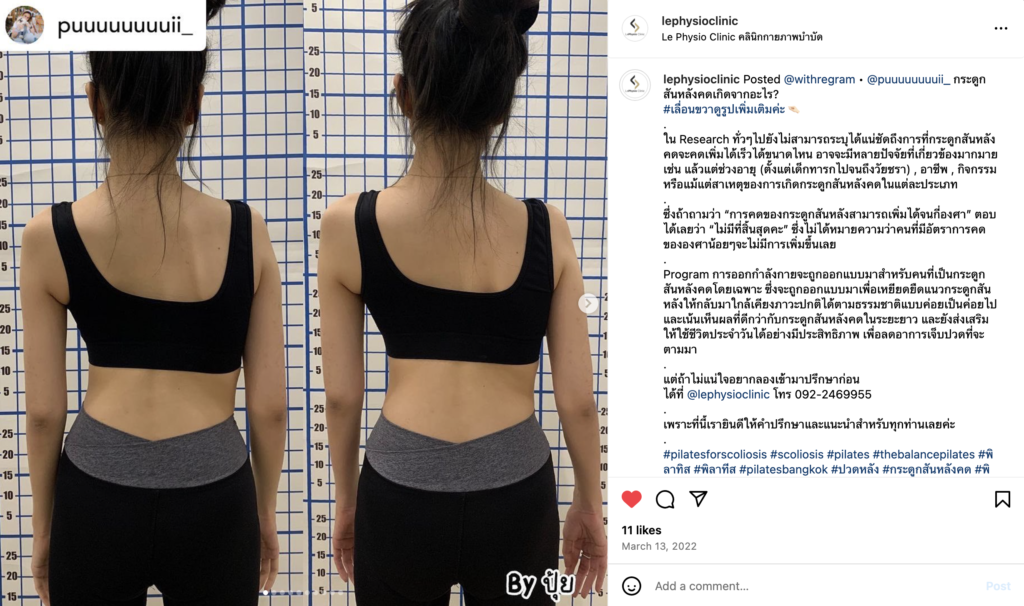
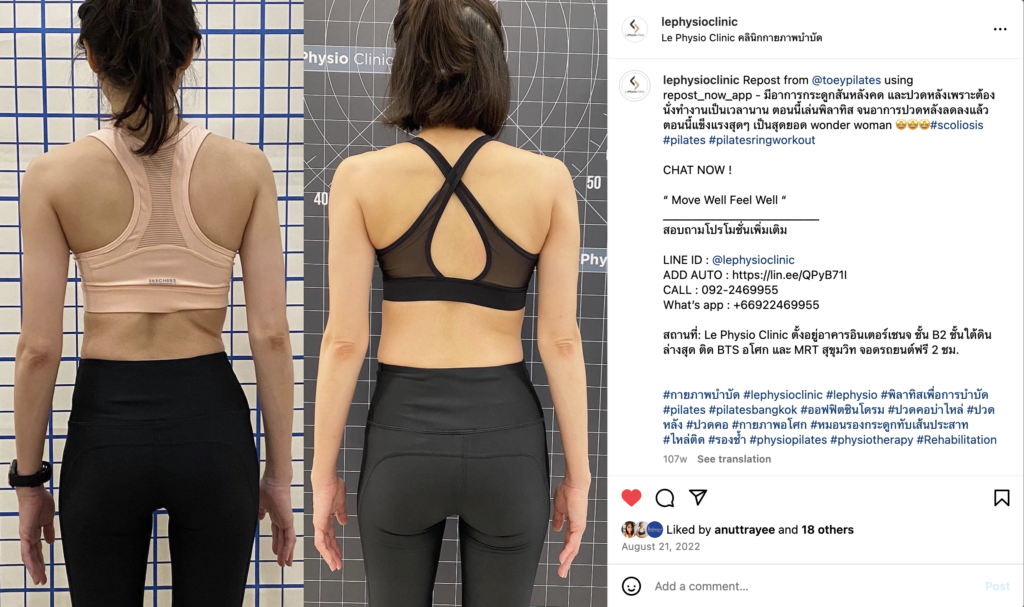
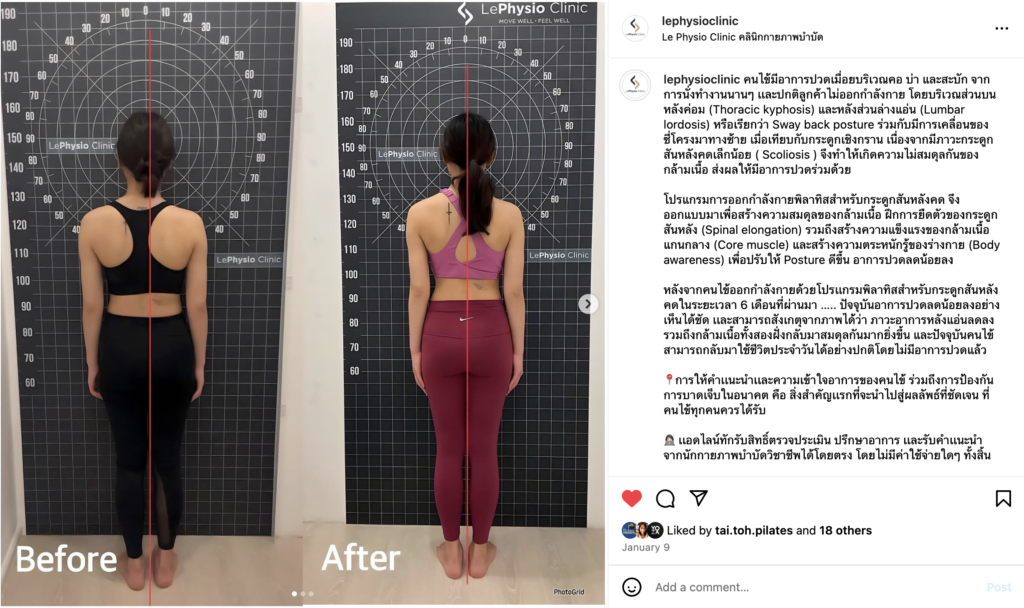
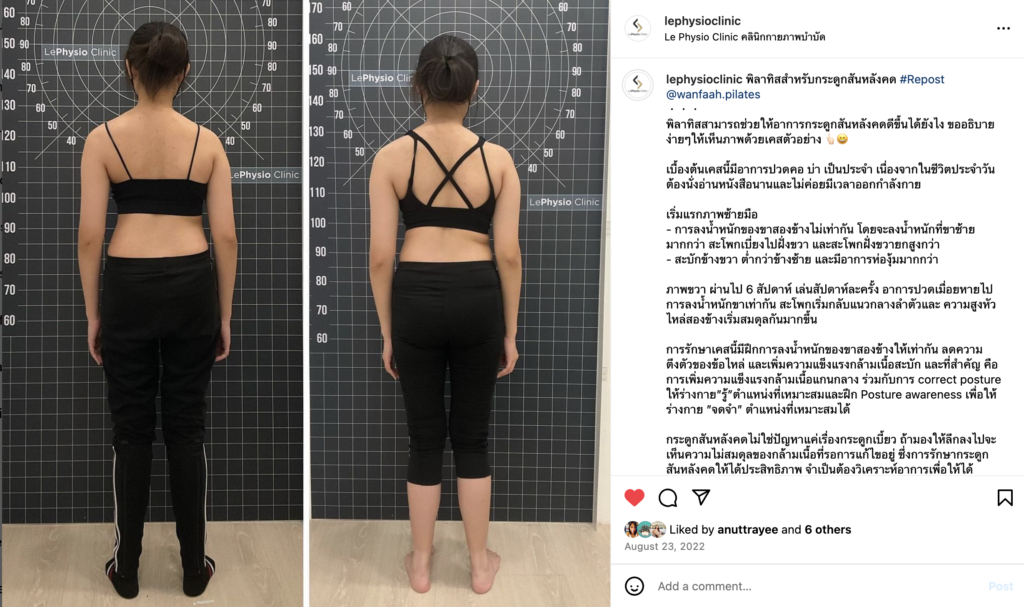
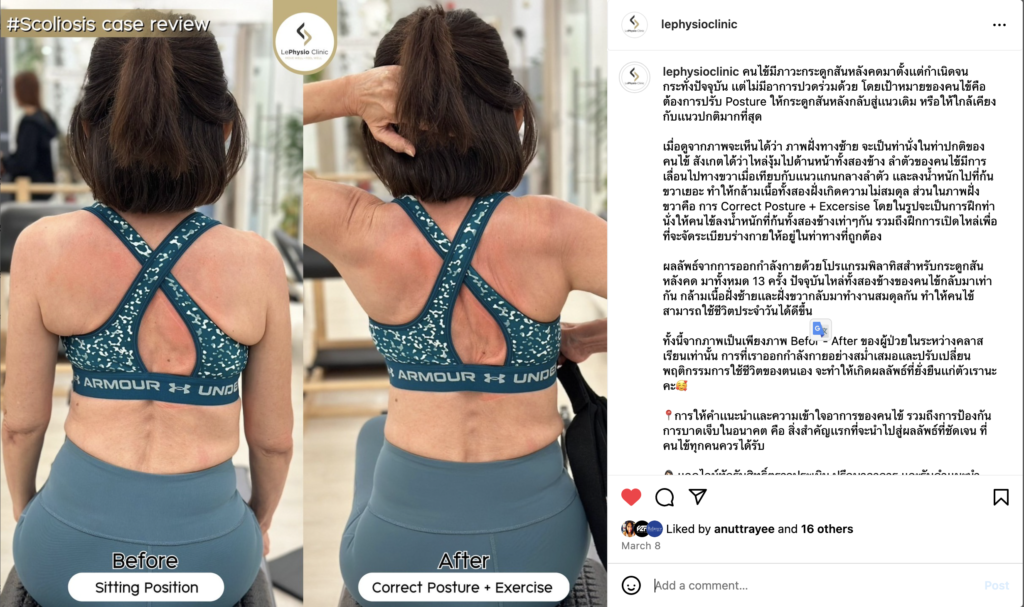
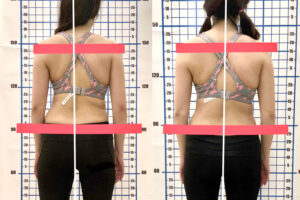
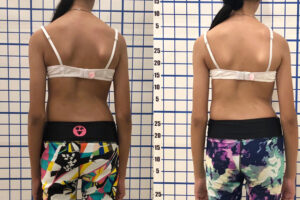
Clinical Case Reviews: Scoliosis Transformations
Scoliosis FAQ: Understanding Your Spinal Health
The Basics of Scoliosis
What is Scoliosis? Scoliosis is a condition where the spine develops an abnormal sideways curve of more than 10 degrees (measured as a Cobb angle). It is not just a simple curve; it is a complex, three-dimensional rotation of the spine that affects the balance of the shoulders, hips, and overall body alignment.
What are the different types of Scoliosis? The most common types include:
-
Idiopathic Scoliosis: The most frequent type, with no known cause.
-
Adolescent Idiopathic Scoliosis (AIS): Occurs between ages 10–18; more common in females.
-
Adult Degenerative Scoliosis: Caused by spinal wear and tear in older adults.
-
Congenital Scoliosis: A condition present from birth due to spinal malformation.
-
Neuromuscular Scoliosis: Linked to nerve or muscle disorders like Cerebral Palsy.
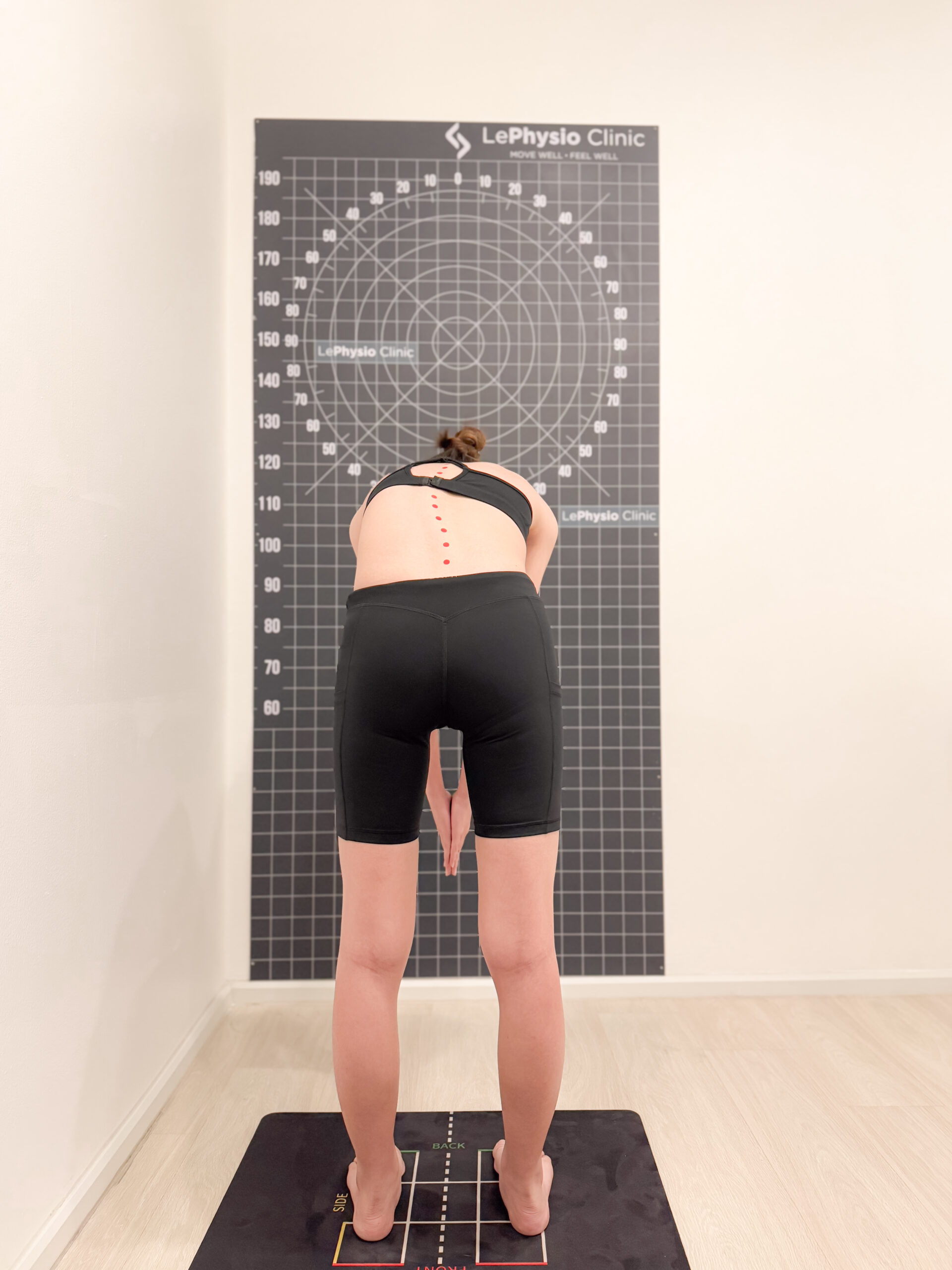
What are the symptoms? Common signs include uneven shoulders or hips, a protruding waist or rib cage, leaning to one side, chronic back/neck pain, or a visible "rib hump" when bending forward (Adam’s Forward Bend Test).
Diagnosis & Assessment
How is Scoliosis diagnosed? We use a multi-step clinical approach:
-
Health & Family History: Checking for genetic links.
-
Adam’s Forward Bend Test: Identifying rib humps or rotations.
-
Scoliometer Measurement: Measuring the degree of trunk rotation.
-
3D Posture Analysis: Advanced technology used at Le Physio & The Balance to evaluate body structure in detail.
-
X-ray: To confirm the exact Cobb angle and severity.
Do I need an X-ray before my first visit? Not necessarily. If you already have recent X-rays, please bring them. Otherwise, our physiotherapists will conduct an initial physical assessment and recommend an X-ray only if required.
Treatment at Le Physio & The Balance
How do you treat Scoliosis? We provide an integrated approach combining Physiotherapy and specialized Pilates:
-
3D Posture & Structural Assessment.
-
Specialized Physiotherapy: Myofascial Release, Manual Therapy, and Shockwave Therapy.
-
Specialized Reformer Pilates: Based on the Schroth Method and Polestar Pilates.
-
3D Exercise Program: Focused on muscle balance and rotational correction.
-
Scoliosis-Specific Breathing: To expand collapsed areas of the rib cage.
-
Home Exercise Program (HEP): To maintain progress outside the clinic.
What is the Schroth Method and why is it important? The Schroth Method is a world-renowned, non-surgical treatment recognized by the Scoliosis Research Society (SRS). It uses 3D exercises to lengthen shortened muscles, strengthen weak areas, and utilize specialized breathing to de-rotate the spine from the inside out.
Can treatment reduce my spinal curve (Cobb angle)? Our primary goals are reducing pain, increasing mobility, and improving quality of life. While Cobb angle reduction is a secondary goal, it is often achieved, particularly in growing adolescents. Results depend on age, severity, and consistency.
Is the treatment painful? Generally, no. Our therapists adjust the intensity based on your comfort level. You may feel slight muscle fatigue or tension during the initial sessions, which is a normal part of the corrective process.
Programs & Appointments
How long before I see results? Most patients notice improvements in pain levels and posture within the first 4–6 sessions. For sustainable structural changes, we recommend a 6–12 week program.
How often do I need to come? We typically recommend 2–3 sessions per week at the start. Once strength improves, frequency may be reduced to once a week, supplemented by daily home exercises.
Do you have programs for international patients? Yes. We offer Intensive Programs (5-day or 14-day "Bootcamps") specifically for international visitors. These include a full assessment, daily Physio + Pilates sessions, and a comprehensive home guide. Please contact us via LINE or email to book in advance.
How much does treatment cost?
-
Initial Consultation: FREE (No commitment).
-
Starter Program (3 Sessions): 5,700 THB (Regular price 7,500 THB).
-
For private long-term packages, please contact us via LINE: @thebalancepilates
Will I need a brace? Bracing depends on the curve degree and growth stage:
-
Below 25°: Observation and exercise.
-
25°–45° (Growing adolescents): Bracing may be recommended to prevent progression.
-
Over 45°: Consultation with a spinal surgeon may be advised.
Daily Life & Self-Care
Are there activities I should avoid? Most patients live normal lives, but we advise avoiding:
-
Heavy lifting without proper technique training.
-
High-impact sports or repetitive twisting without specialist guidance.
-
Prolonged sitting without movement.
-
Heavy single-shoulder bags.
Can children and teenagers be treated? Absolutely. Early intervention during adolescent growth spurts yields the best results. Our team is expert at working with children aged 10 and up.
I was diagnosed years ago as an adult—is it too late? It is never too late. Adults benefit greatly from reduced pain, improved posture, and preventing further curve progression. We successfully treat clients aged 40 to 70+.
Why Choose Le Physio Clinic?
What makes you different from other clinics?
-
Integrated Care: The only clinic in Bangkok since 2014 combining Physio and Pilates under one roof.
-
Expert Team: Certified in Scolio Pilates and specialized scoliosis rehabilitation.
-
3D Technology: Modern posture analysis for objective "Before & After" results.
-
Proven Track Record: Over 1,000 cases treated, including international patients from Europe, Japan, and the Middle East.
-
Top Rated: The highest for Clinical Pilates Clinic in Bangkok.
-
Free Consult: No-cost, no-obligation first assessment.

Chronic back pain Success Stories
อยากแชร์ประสบการณ์ที่ได้เล่น Pilates เพื่อช่วยในการรักษาอาการปวดไหล่/หลังอย่างรุนแรง เมื่อ 2 เดือนที่แล้วมีอาการปวดหลังไหล่และคอมาก ปวดจนนอนไม่ได้เป็นอาทิตย์ คาดว่าน่าจะเป็นจาก office syndrome ตอนแรกก็ไม่หาหมอทำกายภาพ แต่อาการไม่ดีขึ้นเท่าไหร่ กินยาก็ยังไม่หายปวด พอได้มาให้ครู pilates ที่ Le Physio Clinic ช่วยดูอาการ ครู pilates ให้เริ่มจากการยืดส่วนอื่นๆของร่างกายโดยไม่ที่เชื่อมโยงกับหลังและไหล่ มาเล่นติดต่อกันประมาณ 2 -3อาทิตย์ อาการปวดดีขึ้นเยอะมาก และตอนนี้ก็สามารถกลับไปทำกิจกรรมที่เราชอบได้ เช่น trekking ต้องขอขอบคุณ Le Physio Clinic มากๆนะคะ 😊Fern Oeusoonthornwattana
I have struggled for years with back pain (and with finding the right person to work with to heal). From the moment I arrived at "Le Physio Clinic" I knew I was in the right place. The Physio team have worked with me with patience and deep knowledge. What most impressed me was their dedication to truly understanding my condition. They took the time to understand me, but also she makes sure that she is following a program that perfectly addresses my weaknesses. I am a big fan and recommend any of my friends to go check it out if you have back pain.Andrew Stotz
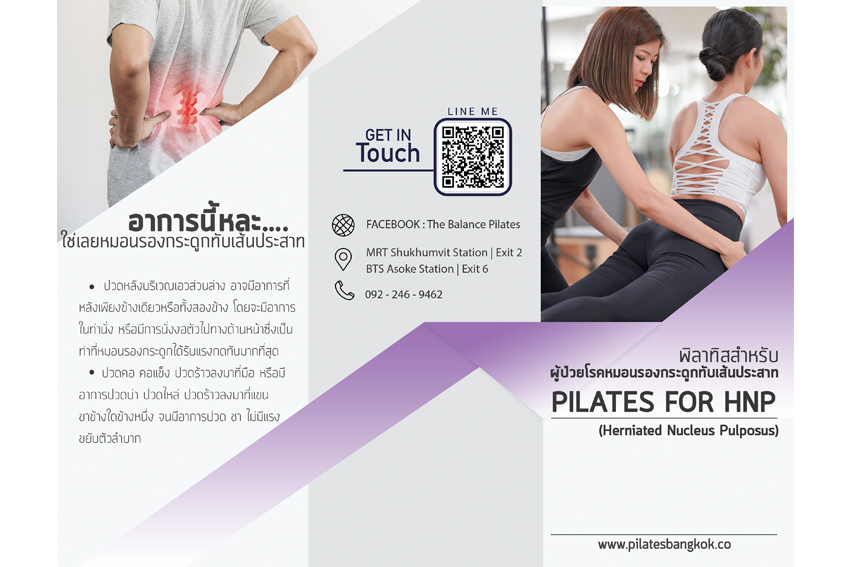
What is a herniated disc?
Herniated disc (HNP: HERNIATED NUCLEUS PULPOSUS) is a degenerative condition of the spine which is caused by misplacement of herniated disc. until causing compression of the nerve directly and inflammation around If there is numbness in the leg along the nerve root (Sciatica)
At Le Physio Clinic, we have specialists for herniated disc (HNP) who are ready to give advice. One of our goal is to build strength of your core, spinal and reduce the wrong tension which are creating the HNP conditions.

Exercises & Pilates to reduce pain on Scoliosis
Exercises for scoliosis It must be said before that scoliosis can occur at different ages since early age to old people which have different incidence factors and each type is different in many respects, namely
Scoliosis It can be divided into the following types:
- Congenital Scoliosis, which is caused when the mother is pregnant, the fetus has abnormal vertebrae.
- scoliosis due to neurological disease or abnormal musculoskeletal system (Neuromuscular Scoliosis), such as muscle growth than normal Spinal muscle atrophy, atrophy, etc.
- Idiopathic Scoliosis is associated with factors such as gender, age, and heredity. Usually occurs during adolescence and can be divided into 3 age groups.
- Infantile Idiopathic Scoliosis before 3 years of age
Juvenile Idiopathic Scoliosis, ages 4 to 10. - Adolescent idiopathic scoliosis aged 10-18 years is the most common.
degenerative scoliosis - (Degenerative Lumbar Scoliosis) is more common in adults or the elderly. from the changes in the fragility of bone quality deterioration together with being used for a long time (This case would not have crooked before in childhood.)
- Infantile Idiopathic Scoliosis before 3 years of age
How to treat scoliosis without surgery
At Le Physio Clinic, we look the process of surgery as a last solution. This is because surgery often results in other spinal diseases. or degenerative conditions of the spine that occur in the surrounding area. We choose to use specialized exercises like Pilates. Our specialist design treatment techniques based on Myofascia release to reduce tension on wrong tissues to allow better mobility of unused muscles. Our goals are always reducing the pain due to scoliosis as well as reinforcing your body and core to avoid future back to pain. We always design home program to keep you away from returning to bad conditions.
There are two main forms of Pilates training in the international system that you should know:
- General Fit&Firm or Classical Pilates training is suitable for healthy people not have any injuries or had any surgery before and requires special care
- Therapeutic Pilates Training or Clinical Pilates By using knowledge of physiotherapy and specialized movements such as Anatomy knowledge, Biomachanic knowledge, Symptoms & Sign knowledge, etc., this Pilates-focused therapeutic approach is called Physiopilates or Pilates For Rehab. This is the kind that our studio uses as a teaching and therapeutic approach with a commitment to seeing patients improve. including getting well be healthy Happy to live a life without pain that interferes with living. For the main cases that our studio takes care of, such as scoliosis various herniated disc disease Symptoms before and after surgery, pregnant women, children and the elderly, etc.
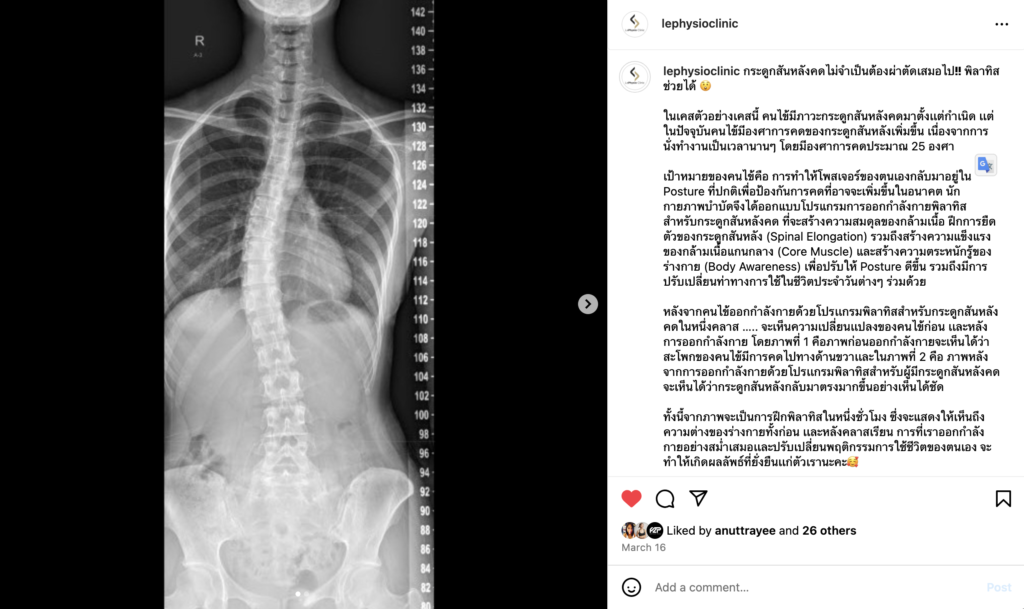
scoliosis can be treated to come back close to normal If treated by the right method and at the right time
Exercises & Pilates for Scoliosis Patients


Exercises & Pilates for Scoliosis – Real cases

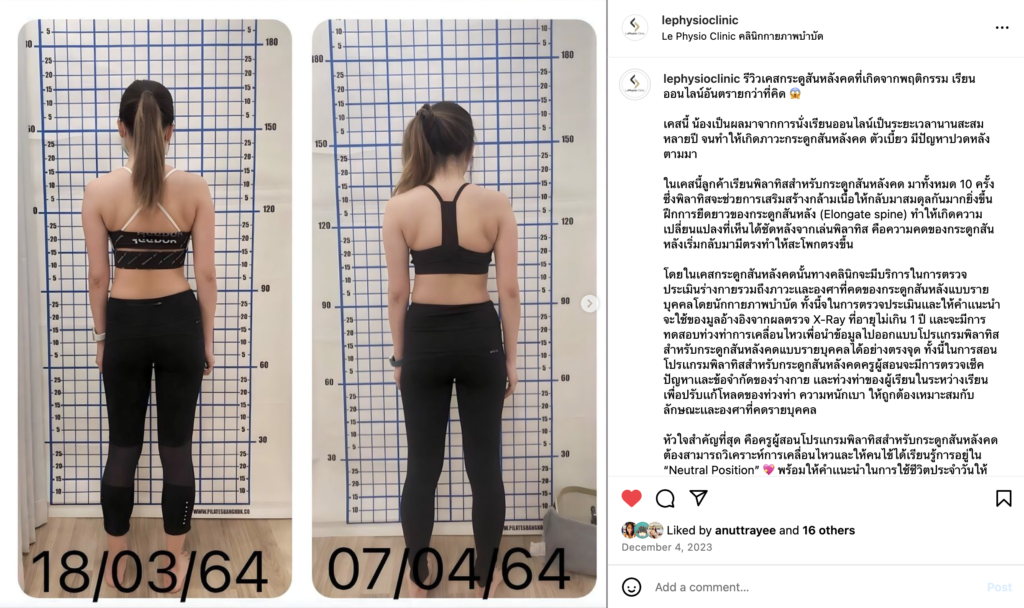
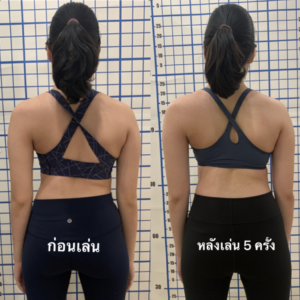
Scoliosis s curves. 50 degrees , No pain RASO type (No flexion/ Extension)
Occupation : Young student with Scoliosis
Goal : She wants to feel more secure with her posture for her future and increase muscle strength
Scoliosis, whether in children or adults the degree of bending or concave-convex characteristics of the back that are not the same living in a different society. Based on her characteristics of habits of life and activities we design a program for her treatment based on:
- Myofascia release to reduce the wrong tension, creating motion where less mobility and creating tension where lacks of positive tension.
- Pilates Exercises to improve muscles unbalanced, working on Core and strength the spine.
After to check mobility and restriction of mobility, we design a home program to improve movement, increase stabilization and balance. We have been working at the clinic and at home submitting videos in order to help with the correct alignment.

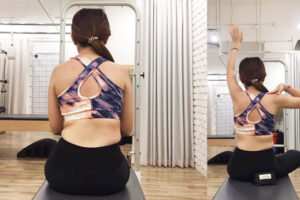
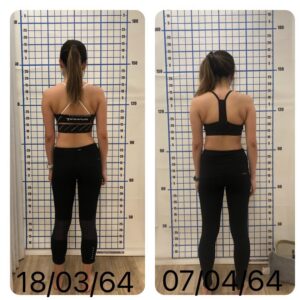
After 5 sessions at The Clinic, when we observing the body alignment and posture we can see improvement in the middle spine and better alignment from ribs case related to the pelvis.
Maintaining an active life with the correct exercises will give the correct foundation for a life without more pain and tension due to Scoliosis.
Our customers and patients when they arrive the first time with pain the first goal is to reduce or stop the pain and second they want to see physical and visible changes.
Our young patient get very happy with the results of the program.

ในวันนี้เมอร์มีเคสที่ค่อนข้างน่าสนใจมาเล่าให้เพื่อน ๆ ฟังค่ะ
1. Consultation
ในวันนี้เมอร์มีเคสที่ค่อนข้
เริ่มต้นจากการที่คนไข้มี
2. Assessment
ก่อนทำการฟื้นฟู นักกายภาพบำบั

3. How to educate
เมอร์จะให้คำแนะนำในคนไข้เสมอ ว่
ในเคสนี้ คนไข้ไม่สามารถหลีกเลี่
4. How we treat
เมอร์จะใช้เทคนิคการรั
If you are interested, you can click on this link to book a free consultation with a physical therapist.
More interesting links about Scoliosis
Read more about exercises for Scoliosis click Here: