
Expert Back Pain Physical Therapy & Treatment in Bangkok: Effective Relief Without Surgery
At Le Physio Clinic, we believe you shouldn’t have to "just live" with back pain. Whether it’s a sharp ache from a sports injury or chronic stiffness from Office Syndrome, our approach goes beyond temporary relief. We combine Advanced 3D Technology with Clinical Pilates to find the root cause of your pain and fix it for good.

As a professional physiotherapist, I believe that chronic back pain should never be dismissed or accepted as a 'normal' part of life. Often, the pain you feel isn't just coming from one spot—it’s the result of long-term body imbalances that have accumulated over time.
At Le Physio Clinic, my team and I perform a comprehensive full-body assessment to identify the root cause of your discomfort. We then design a personalized physical therapy plan to restore your balance, stability, and natural movement.
Our goal isn't just temporary relief; we want to empower you to live your life with confidence, free from the cycle of recurring pain."
Ms. Bell (Clinic Manager) B.Sc. in Physical Therapy (First Class Honors & Gold Medalist) Mae Fah Luang University

Why Choose Le Physio Clinic in Bangkok? for Your Back Pain Treatment?
While traditional clinics rely on manual touch alone, we use a data-driven approach to ensure your recovery is fast and permanent.
-
3D Posture Analysis (AI-Powered): We don't guess; we measure. Our AI-driven 3D scan provides a 90% accuracy rate (comparable to X-ray but without radiation) to detect structural imbalances.
-
Advanced Medical Technology: We utilize
-
Radial Shockwave Therapy to reach deep tissue layers that manual massage cannot.
- Traction Bed Therapy
-
One-on-One Clinical Pilates: Specialized rehabilitation exercises to strengthen your core and prevent the pain from ever returning.
-
Convenient Locations: Located in the heart of Bangkok at BTS Asoke and BTS Chidlom.
Clinical Pilates for Back Pain
"Clinical Pilates is a supervised, individualized exercise system targeting deep core muscles — the multifidus and transversus abdominis — known to be inhibited in patients with chronic low back pain."
What the research says: A 2024 study in the Journal of Bodywork & Movement Therapy found that Clinical Pilates was superior to general exercise for lumbar stabilization in office workers, with pain scores improving by up to 50% over 12 weeks.
At Le Physio Bangkok: Our certified therapists design your program based on individual assessment, not generic routines.
Common Causes of Back Pain "Office Syndrome"
Our team of expert physiotherapists specializes in:
-
Herniated Disc (Slipped Disc): Reducing nerve compression and leg numbness.
-
Office Syndrome: Correcting "Forward Head" posture and lower back strain.
-
Sciatica: Relieving sharp pain radiating from the lower back to the legs.
-
Spondylosis: Managing age-related wear and tear of spinal discs.
-
Muscle Strains: Fast recovery for athletes and active individuals.
What to Expect: Your Treatment Journey
We follow a 3-phase clinical roadmap inspired by the best recovery protocols:
-
Phase 1: Pain Suppression (Sessions 1-2) Focus on reducing inflammation using PMS and High-Power Laser. Most patients feel a 30-50% improvement after the first session.
-
Phase 2: Mobility Restoration (Sessions 3-5) Using Manual Therapy and Traction Bed Therapy to decompress the spine and increase your range of motion.
-
Phase 3: Long-term Strengthening (Sessions 6+) Transitioning to Clinical Pilates to build a "natural back brace" through core stability.
Research & Evidence
| Condition | Study Finding | Our Application |
|---|---|---|
| Chronic LBP | Pilates reduces pain 30–50% (2023 Cochrane) | Clinical Pilates Program |
| Sciatica | Neural mobilization reduces nerve tension (BMC 2024) | Nerve Gliding Protocol |
| Office Syndrome | Combined PT + ergonomics 60% more effective (Ergonomics Journal 2023) | Office Syndrome Program |
| Disc-related pain | McKenzie Method highly effective for directional symptoms | McKenzie Assessment |

"Red Flags": When Should You See a Physiotherapist?
If you experience any of the following, do not wait for the pain to "go away" on its own:
-
Pain lasting more than 2 weeks.
-
Numbness or tingling in your legs or feet.
-
Pain that disrupts your sleep.
-
Difficulty standing straight or walking for long periods.
Frequently Asked Questions (FAQ)
Q: Do I need a doctor’s referral? A: No, you can book an appointment directly. Our licensed physiotherapists will conduct a full 3D assessment upon your arrival.
Q: Is the treatment painful? A: You may feel some pressure during Shockwave therapy or deep tissue work, but our therapists always adjust the intensity to your comfort level.
Q: How many sessions will I need to see results for back pain? A: Most patients feel a 30-50% improvement within the first 1-3 sessions. For chronic conditions like a herniated disc or scoliosis, we recommend a structured 6-12 week program. Our 3D Posture Analysis allows us to track your progress objectively, ensuring your recovery is on the fastest possible track.
Q: Do I need surgery for a slipped disc (Herniated Disc)? A: In many cases, no. We specialize in non-surgical decompression using Traction Bed Therapy and PMS (Peripheral Magnetic Stimulation). These technologies help reduce nerve inflammation and promote natural healing without the risks of invasive surgery.
Q: Is physical therapy at Le Physio Clinic claimable via insurance? A: Yes. We provide the necessary detailed receipts for OPD (Out-Patient Department) insurance claims. Please notify our staff at the front desk, and we will prepare the documentation for you.
Q: Why do you combine Pilates with Physical Therapy? A: Machines provide temporary relief, but Clinical Pilates provides a permanent cure. By strengthening your "deep core" muscles, we create a natural back brace that protects your spine from future injury and Office Syndrome recurrence.

Special Promotion
All treatments incluiding all technologies equipements:
-
-
First Consultation (FREE)
-
Treatment 1 session (50 min)
-
PMS peripheral magnetic stimulation
-
TECAR Therapy (AF)
-
Ultrasound machines & EMS
-
Kinesiology tape
-
Traction Bed
-
High-intensity laser therapy (HILT)
-
Shockwave therapy equipment
-
-
Total: 999THB


How we Treat?
1
3D Posture Analysis
A comprehensive physical assessment powered by intelligent AI technology helps uncover the hidden root causes of pain and imbalance — analyzing body structure, muscle function, posture, and movement patterns in detail.
This allows our physiotherapists to accurately identify the problem and design a truly personalized treatment program with precision and care.
2
Physiotherapy Treatment
Our advanced imaging therapy program helps relieve all types of pain through state-of-the-art technologies — including PMS, Shockwave, RF, Ultrasound, and high-power laser treatments — combined with specialized therapeutic techniques developed by our expert physiotherapists.
This program is designed to accelerate recovery, reduce pain effectively, and restore optimal physical function.
3
Pilates Rehabilitation
Our program combines Pilates-based therapeutic exercises with personalized physiotherapy techniques to address the root causes of pain and dysfunction.
These exercises help retrain your body to move correctly by stimulating the nervous system and muscles to work together efficiently — reducing pain from muscle imbalances and restoring long-term mobility and balance.
Our Expertise
At Le Physio Clinic, we integrate the principles of physical therapy with Pilates-based rehabilitation to address the true root causes of pain—not just provide temporary relief. Our goal is to deliver sustainable, long-term results by restoring proper movement patterns and correcting underlying imbalances.
We specialize in both physiotherapy and Pilates therapy, allowing us to combine hands-on treatment with targeted movement training. This approach helps rebuild strength, improve posture, restore natural movement efficiency, and reduce the stress and anxiety often associated with chronic pain.
Our clinic also provides advanced, specialized treatment techniques developed by our team of highly experienced physiotherapists. Every program is fully personalized to each patient’s condition and goals. To enhance accuracy and outcomes, we incorporate state-of-the-art physiotherapy technologies throughout every stage of treatment.

What Our Patients Say


Posted on Google
 Pink Warinthorn
Trustindex verifies that the original source of the review is Google.
ให้5ดาวเลยยยย พี่ ๆ น่ารักเป็นกันเองมาก ๆ ค่าบรรยากาศคลินิกดี สะอาด แอร์เย็นสบาย มีที่นั่งสำหรับรอเยอะมาก นักกายภาพใจดีสุดๆ สอนดีมากกก และคลินิกเดินทางสะดวกมากเลยค่าPosted on Google SeymurI have been coming here for a while now, and this place has helped me in so many ways. They have all the tools, the knowledge and were really helpful for every problem I’ve had. I came here for shoulder tension relief, IT band problems, and strength and conditioning exercises. The staff is super friendly too. I definitely recommend the clinic to everyone who has any pain or discomfort. And it’s great for athletes as well! 🙏Posted on Google
 Araya DenthaweesilpLove it, everything is good. Instructors are all amazing. I am the member here more than 6 years. Highly recommendPosted on Google
 nuttanich deesaldแนะนำเลยค่ะ สำหรับใครที่กำลังมองหาคลินิกทำกายภาพและพิลาทิสติด BTS อโศกหรือ MRT สุขุมวิท ครูและ Staff ที่นี่ให้คำแนะนำและดูแลดีมาก ประทับใจสุดๆค่ะPosted on Google
 Kornvipa Assawaboonsapขอบคุณนักกายภาพที่นี่มากค่ะ หายปวดหลังเลยค่าPosted on Google
 Warissara MANEEPLOYSAKULพื้นที่สะอาด กว้าง แอร์เย็น มีพื้นที่สีเขียว ห้องรับรองที่นั่งเบาะหนุ่มสบาย ผ่อนคลาย เพลงเพลงเพราะมากค่ะ Reception น่ารักมากคุยเก่ง พี่ๆกายภาพตอนรับและเป็นกันเองมากๆPosted on Google
 Apichaya LekavanichkulFirst time Pilates rehab with LePhysio! มาเรียนครั้งแรกกับคุณครูดา คุณครูใจดีและสอนใจเย็นมากๆ รู้ว่า posture เราเป็นยังไง ควรปรับตรงไหน และให้ความรู้เยอะมากด้วยค่ะ บรรยากาศสตูดิโอก็เรียบร้อย สะอาด น้องๆพนักงานใจดี ประทับใจมากค่ะ :)Posted on Google
 มาริสา ดวงศรีคลินิกสะอาดมากเลย ตกแต่งดูสวยงาม ร่มรื่น บรรยากาศดูเป็นกันเองมาก รู้สึกผ่อนคลายด้วย🪴✨Posted on Google
 Nonthiya M.มีพื้นที่สีเขียวเยอะค่ะ สะอาดสบายตา มองแล้วสบายใจ ทำ treatment แล้วสบายกาย😊Posted on Google
 SIRAVISH KOTTAร้านสวยมากครับ อุปกรณ์ดีมีคุณภาพ บริการดีมีคุณครูมาต้อนรับตลอดครับ ต้นไม้เยอะดูร่มรื่นดีครับ🥰Load more
Every patient at Le Physio Clinic is closely monitored by a licensed physiotherapist to ensure safe and effective progress. You can feel confident knowing your treatment plan is thoughtfully designed and fully personalized to your unique condition and goals.
Physiotherapy Services in Bangkok
Comprehensive Spine & Posture Assessment
We start with a 3D body scan and functional movement analysis using AI technology, allowing us to precisely identify spinal misalignment, muscle weakness, and nerve compression.
Personalized Physiotherapy Program
Each patient receives a customized treatment plan combining:
-
Manual Therapy & Spinal Mobilization — to realign vertebrae and relieve nerve pressure.
-
Deep Tissue & Myofascial Release — to ease muscle tension and improve blood flow.
-
Electrotherapy & Shockwave Therapy — to reduce inflammation and accelerate healing.
-
Therapeutic Exercise & Core Strengthening — retraining deep stabilizing muscles for long-term relief.
-
Posture Correction & Ergonomic Coaching — to prevent recurrence from daily habits.
Specialized Scoliosis & Disc Rehabilitation
Our scoliosis and herniated disc programs integrate Pilates-based movement therapy and neuro-muscular re-education to restore spinal balance, reduce asymmetry, and enhance overall mobility.
Meet Our Physiotherapists

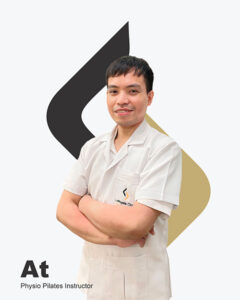
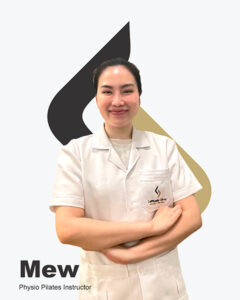
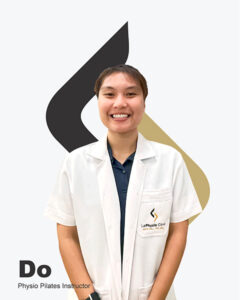
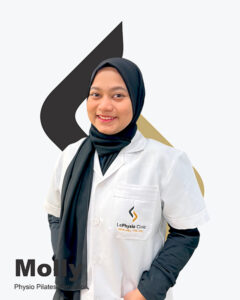
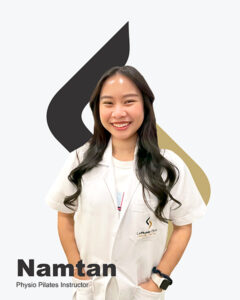


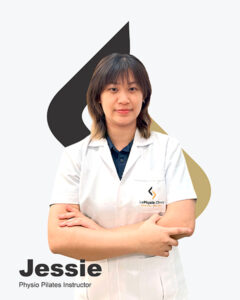
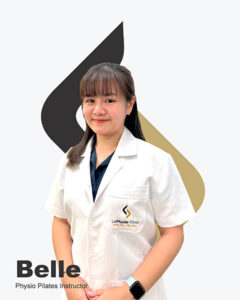
Meet our Spine Specialists
Free consultation—No commitment required
Every type of pain has a solution — and every worry becomes lighter when you start with the right guidance. Meet with one of our licensed physiotherapists for a detailed assessment and receive a personalized treatment program tailored specifically to your needs.


Contact & Location
Maneeya Building Fl.2nd -BTS Chidlom

Interchange Building Fl.B2 – BTS Asoke


5 Steps for Back Pain Relief with Physical Therapy...READ MORE
Understanding How Physical Therapy Targets Back Pain
Back pain affects approximately 80% of adults at some point in their lives, making it one of the most common reasons people seek medical care. While medication can mask symptoms temporarily, physical therapy for back pain treatment offers a structured approach that addresses the underlying causes of your discomfort. The distinction matters because treating symptoms alone often leads to recurring episodes, while correcting mechanical dysfunctions can provide lasting relief.
Our Physical therapists at Le Physio Clinic assess how your spine moves, identify muscle imbalances, and develop targeted interventions based on your specific condition. This individualized approach recognizes that two patients with similar pain locations may require entirely different treatment protocols. Your lumbar spine comprises five vertebrae, numerous ligaments, and layers of musculature that all contribute to stability and movement. When any component fails to function properly, pain signals alert you to the dysfunction.

The Difference Between Passive and Active Therapy
Passive therapy involves treatments performed on you, such as our technologies as PMS, Shockwave, Frequency AF, Traction Bed, or Myofascia Release, joint mobilization, or electrical stimulation. These techniques reduce acute pain and prepare your body for movement.
Active therapy requires your direct participation through exercises, Clinical Pilates, stretches, and movement retraining. Research consistently demonstrates that active approaches produce superior long-term outcomes compared to passive interventions alone.
Your treatment plan will likely combine both elements, with passive techniques dominating early sessions when pain levels are highest. As your condition improves, active components increase progressively until you can maintain your gains independently.
Identifying Mechanical vs. Inflammatory Pain
Mechanical pain worsens with specific movements or positions and improves with rest or postural changes. Bending forward might aggravate a disc herniation, while extending backward could compress arthritic facet joints. Inflammatory pain often feels stiff in the morning and improves somewhat with gentle movement throughout the day.
Your physical therapist uses this information to classify your condition and select appropriate interventions. A patient whose pain increases with flexion requires different exercises than someone whose symptoms worsen with extension. This directional preference guides treatment selection and helps predict which activities you should modify during recovery.

Step 1: The Initial Assessment and Personalized Goal Setting during Free Consultation Process.
Your first session establishes the foundation for everything that follows. The therapist reviews your medical history, asks detailed questions about your symptoms, and performs a physical examination. Expect questions about when pain started, what makes it better or worse, and how it affects your daily activities. This information helps differentiate between various potential causes.
Goal setting transforms vague hopes into measurable objectives. Rather than simply wanting less pain, you might aim to sit comfortably for two hours, return to recreational tennis, or lift your grandchildren without discomfort. These functional goals guide treatment progression and provide clear markers of success.
Evaluating Range of Motion and Movement Patterns (Our DNA is based on “Moved Well – Feel Well”)
The therapist measures how far your spine moves in each direction: flexion, extension, lateral bending, and rotation. Restrictions in specific movements often correlate with particular structures. Limited forward bending might indicate tight hamstrings or protective muscle guarding, while reduced rotation could suggest facet joint involvement.
Movement pattern analysis reveals how you perform functional tasks. Rising from a chair, bending to pick up an object, and walking all provide diagnostic information. Many patients develop compensatory patterns that reduce pain temporarily but create additional problems over time. Your hip flexors may become chronically shortened if you habitually avoid full hip extension while walking, in more than 89% of cases of lower back pain are results of tight PSOAS muscles.
Step 2: Pain Modulation and Manual Therapy Techniques
Before strengthening exercises can begin, pain levels must decrease sufficiently to allow proper muscle activation. High pain states inhibit certain muscles while causing others to spasm protectively. Manual therapy techniques performed by your therapist can interrupt this cycle and restore more normal neuromuscular function.
Back pain management often begins with hands-on interventions that patients find immediately relieving. These techniques complement the active exercise program that follows.
Joint Mobilization and Soft Tissue Massage
Joint mobilization involves the therapist applying controlled forces to spinal segments to restore normal arthrokinematics. Stiff segments receive graded oscillations that improve mobility, while hypermobile areas are stabilized through surrounding muscle strengthening. The technique requires precise application based on your specific restrictions.
Soft tissue massage addresses muscular tension that contributes to pain and movement limitation. The quadratus lumborum, piriformis, and paraspinal muscles frequently develop trigger points in back pain patients. Sustained pressure on these areas can release tension and reduce referred pain patterns.
The Role of Therapeutic Modalities like TENS and Heat
Transcutaneous electrical nerve stimulation sends mild electrical currents through surface electrodes to interfere with pain signal transmission. The gate control theory suggests these signals compete with pain signals at the spinal cord level. Many patients find TENS helpful for managing symptoms between therapy sessions.
Heat application increases blood flow to affected tissues, relaxes muscle tension, and improves tissue extensibility before stretching. Moist heat penetrates more deeply than dry heat. Your therapist may apply heat packs before manual therapy or exercise to optimize tissue response.

Step 3: Corrective Exercises & Pilates to Build Core Stability
Core stability refers to the ability of your trunk muscles to control spinal position during movement and loading. True core strength involves much more than abdominal crunches. The deep stabilizing muscles must activate milliseconds before any limb movement to protect your spine from excessive forces.
Physical therapy targeting back pain treatment emphasizes retraining these anticipatory muscle contractions. Many patients have lost this automatic protective mechanism, leaving their spines vulnerable during everyday activities.
Strengthening the Deep Stabilizers of the Spine and improve your stability of your Slings lines connecting Fascia tissues.
The transversus abdominis wraps around your trunk like a corset and increases intra-abdominal pressure to support the lumbar spine. The multifidus muscles attach directly to each vertebra and control segmental motion. Research shows these muscles atrophy rapidly after back injury and do not recover spontaneously even when pain resolves.
Retraining begins with isolated activation exercises. You learn to engage the transversus abdominis by drawing your navel gently toward your spine while breathing normally. Hold for ten seconds, then relax. Repeat ten times. Progress to maintaining this contraction during arm and leg movements, then advance to functional activities.
Improving Flexibility to Reduce Nerve Compression
Tight muscles can compress neural structures or alter spinal mechanics in ways that increase disc pressure. Hip flexor tightness pulls the pelvis into anterior tilt, increasing lumbar lordosis and compressing posterior structures. Hamstring inflexibility limits forward bending at the hips, forcing compensatory flexion through the lumbar spine.
Stretching protocols address identified restrictions systematically. Hold each stretch for 30 seconds while breathing slowly: inhale for four counts, exhale for six counts. This breathing pattern activates your parasympathetic nervous system and enhances muscle relaxation. Repeat each stretch three times, performing the sequence twice daily.

Step 4: Postural Training and Ergonomic Adjustments
Posture describes the alignment of your body segments during static positions and dynamic activities. Optimal posture distributes mechanical loads evenly across spinal structures. Poor posture concentrates stress on specific tissues, accelerating degeneration and triggering pain.
Your therapist analyzes your standing, sitting, and movement postures to identify habitual patterns contributing to your symptoms. Corrections often feel awkward initially because your proprioceptive system has adapted to dysfunctional positions.
Workplace Setup for Long-Term Spinal Health
Office workers spend approximately 1,700 hours annually at their desks. Poor ergonomics during these hours accumulate into significant spinal stress but in reality what we call “Office Syndrome” is the result of Static posture during many hours even a perfect desk will not change that position and tensions.
Stand periodically throughout the day. Set a timer to remind yourself every 30 minutes. During these breaks, perform gentle extension movements by placing your hands on your lower back and arching backward slightly. These microbreaks counteract the sustained flexion forces of sitting.
Step 5: Transitioning to a Sustainable Home Exercise Program
The therapist progressively transfers responsibility for your care from the clinic to your home. This transition requires a clear, manageable exercise program that fits your lifestyle and addresses your specific needs.
Effective home programs typically require 15 to 20 minutes daily. They include mobility exercises, strengthening movements, and postural reminders. Written instructions with photographs or video demonstrations improve adherence. Your therapist should review your technique periodically to ensure you perform exercises correctly.
Measuring Progress and Preventing Future Injury
Progress measurement extends beyond pain ratings. Functional improvements in sitting tolerance, walking distance, and activity participation provide meaningful outcome data. Many clinics use standardized questionnaires to track changes over time and compare your results to established benchmarks.
Prevention requires ongoing attention to the factors that contributed to your initial episode. Maintain your exercise program even after pain resolves. Continue practicing proper lifting mechanics and postural awareness. Address new symptoms early before they develop into significant problems. Most patients benefit from periodic reassessment to identify emerging issues and update their exercise programs.
Your spine will serve you well for decades if you provide appropriate care. The investment you make now in understanding your body and maintaining its function pays dividends throughout your lifetime. Schedule a consultation with a qualified physical therapist to begin your personalized recovery journey.